
Hair
7 min read
How to Reduce Hair Fall and Promote Hair Growth Naturally: Expert Tips for Healthier Hair
VCare
Jun 29, 2026
Finding excessive hair strands on your pillow, comb, or bathroom floor can be stressful. Hair fall is one of the most common concerns among Indian men and women, affecting confidence and self-esteem.
While losing 50 to 100 strands daily is considered normal, persistent hair shedding may indicate underlying issues such as poor nutrition, stress, hormonal imbalance,pollution, or improper hair care habits.
The good news is that you can reduce hair fall and support healthy hair growth with the right approach. A combination of scalp care, balanced nutrition, lifestyle changes, and scientifically formulated hair care products can make a significant difference.
In this guide, we'll explore dermatologist-backed tips to help you achieve stronger, healthier, and fuller-looking hair.
Understanding the root cause of hair fall is the first step toward effective treatment.
Common causes of hair fall include:
Nutritional deficiencies, especially iron, protein, zinc, and vitamin D
Hormonal changes due to pregnancy, PCOS, thyroid disorders, or menopause
High stress levels and lack of sleep
Excessive heat styling and chemical treatments
Scalp conditions such as dandruff or fungal infections
Pollution and hard water exposure
Genetics and age-related hair thinning
Tight hairstyles that pull the hair roots
According to dermatologists, identifying the trigger early can help prevent long-term hair thinning.
Hair shedding becomes a concern when you notice:
Increased hair loss during washing or combing
Visible thinning near the scalp
A widening hair partition
Reduced hair volume or density
Receding hairline
Excessive breakage and brittle strands
If hair fall persists for more than three months, consult a dermatologist for proper evaluation.
Hair is primarily made of keratin, a type of protein. Insufficient protein intake can weaken hair strands and slow hair growth.
Include these protein-rich foods in your daily meals:
Eggs
Lentils and legumes
Fish
Paneer and curd
Nuts and seeds
Soy products
A balanced diet supports stronger hair follicles and healthier hair growth.
Deficiencies in key nutrients can contribute to excessive hair fall.
Important nutrients for healthy hair include:
Iron
Vitamin D
Zinc
Vitamin B12
Omega-3 fatty acids
Speak with a healthcare professional before starting supplements.
Healthy hair starts with a healthy scalp.
To nourish your scalp:
Wash your hair regularly using a mild shampoo
Avoid product buildup
Treat dandruff promptly
Massage your scalp gently to improve blood circulation
A clean scalp creates an ideal environment for hair growth.
Chronic stress can push hair follicles into the shedding phase.
Simple stress-management techniques include:
Yoga
Meditation
Regular exercise
Deep breathing
Spending time outdoors
Even 20 minutes of physical activity daily can positively impact your overall well-being and hair health.
Frequent use of hair dryers, straighteners, curlers, and chemical treatments weakens the hair shaft.
Try these protective measures:
Limit heat styling to special occasions
Use heat protectant products
Choose gentle, sulphate-free formulations
Avoid frequent bleaching and colouring
Small changes can significantly reduce hair breakage.
Poor sleep quality affects hormone balance and hair health.
Aim for:
Seven to eight hours of sleep daily
At least two to three litres of water every day
Proper hydration supports scalp health and improves hair texture.
Following a consistent hair care routine can help reduce hair fall over time.
Comb your hair gently using a wide-tooth comb.
Protect your hair from pollution and sun exposure.
Stay hydrated throughout the day.
Wash your hair two to three times a week.
Massage your scalp regularly.
Use nourishing hair treatments consistently.
Trim split ends every six to eight weeks.
Consistency matters more than quick fixes.
When choosing hair care products, look for ingredients known to support healthy hair growth.
Beneficial ingredients include:
Redensyl
Peptides
Biotin
Niacinamide
Caffeine
Rosemary extracts
Plant-based proteins
These ingredients help nourish the scalp and strengthen hair follicles.
Lifestyle changes and nutrition play a major role in reducing hair fall. However, targeted topical solutions can provide additional support.
A well-formulated hair vitalizer can help nourish the scalp, improve hair texture, and strengthen weak hair roots.
For individuals experiencing hair thinning or increased hair fall, incorporating a daily-use hair vitalizer into their routine can be beneficial.
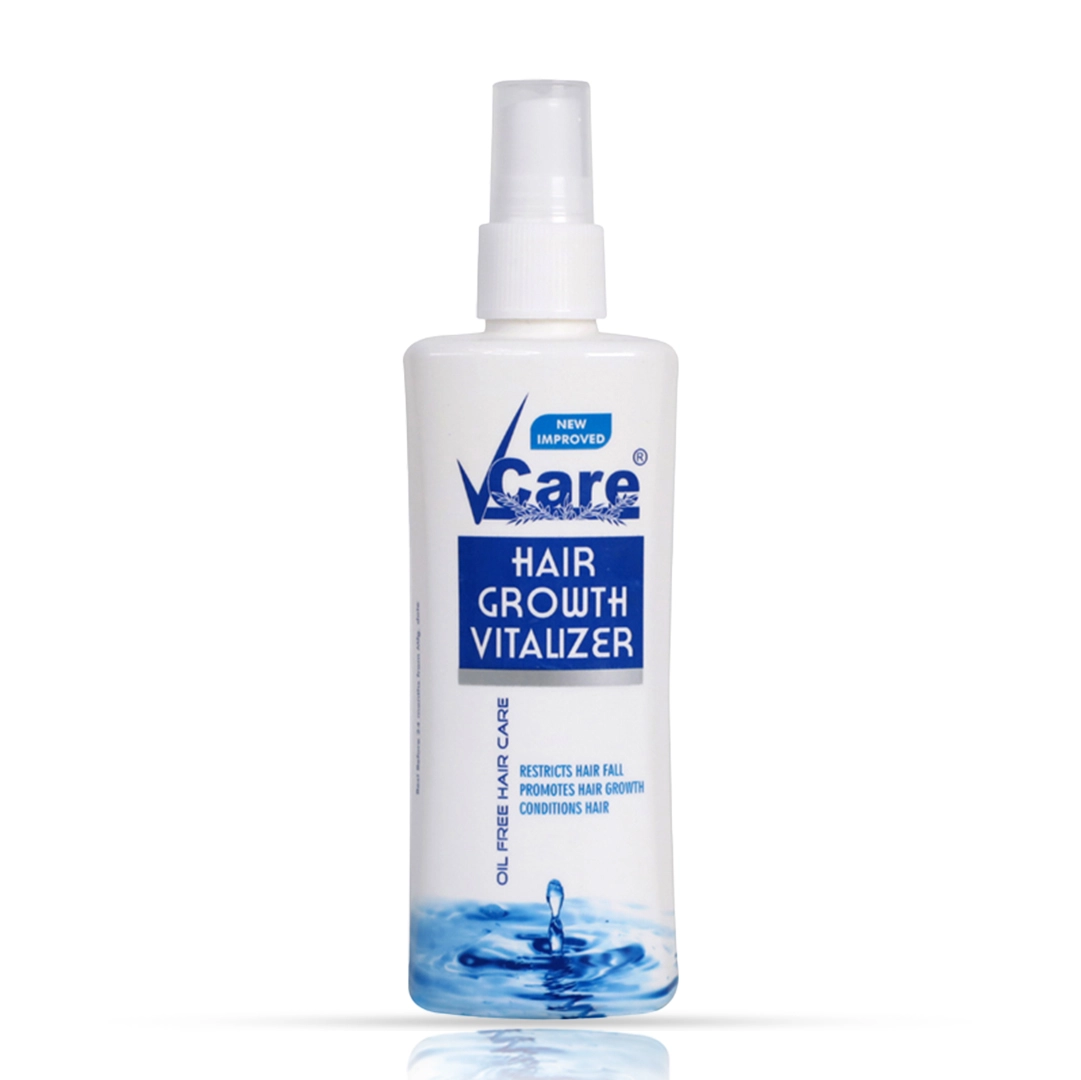
Hair Growth Vitalizer for Hair Growth - 100ml is designed to support overall scalp health while promoting healthier-looking hair.
Key benefits include:
Strengthens hair from the roots
Nourishes the scalp
Improves hair texture
Promotes hair growth
Reduces hair fall
Suitable for daily use
When used consistently alongside a healthy lifestyle and proper hair care routine, it can support stronger and healthier hair over time.
Remember that visible improvements in hair growth typically take at least three to six months. Patience and consistency are essential.
Avoid these habits if you want to reduce hair fall:
Washing hair with very hot water
Brushing wet hair aggressively
Skipping meals
Using multiple hair products without understanding their purpose
Tying hair too tightly
Ignoring scalp issues
Frequently switching products
Healthy hair growth requires a long-term commitment.
Seek professional advice if you experience:
Sudden or severe hair loss
Bald patches
Persistent scalp itching or redness
Hair fall after illness or medication changes
Hair thinning despite lifestyle improvements
A dermatologist can identify underlying causes and recommend personalised treatments.
Hair fall can feel overwhelming, but it is often manageable with the right approach.
Focus on maintaining a balanced diet, reducing stress, caring for your scalp, and following a consistent hair care routine. Small daily habits can lead to noticeable improvements over time.
If you're looking for additional support, a targeted solution like Hair Growth Vitalizer for Hair Growth - 100ml can complement your overall hair care strategy by nourishing the scalp and strengthening hair.
Healthy hair growth is a journey, not an overnight transformation. Stay consistent, be patient, and give your hair the care it deserves.
Hair fall can occur due to nutritional deficiencies, stress, hormonal changes, genetics, scalp conditions, or improper hair care practices.
Eat a balanced diet, manage stress, maintain scalp hygiene, avoid excessive heat styling, and follow a consistent hair care routine.
Most people notice visible improvements after three to six months of consistent care.
Yes. Chronic stress can trigger temporary hair shedding by disrupting the normal hair growth cycle.
Protein, iron, zinc, vitamin D, biotin, and omega-3 fatty acids are important for healthy hair.
Yes. A healthy scalp supports stronger hair follicles and creates an ideal environment for hair growth.
Yes. Hair Growth Vitalizer for Hair Growth - 100ml is suitable for daily use as part of a consistent hair care routine.
Loading comments...

Sep 19, 2026 · 1 min read
Discover VCare Whitening Peel Off Mask Powder for salon facials. Helps exfoliate dead skin cells, refresh dull skin and ...

Sep 19, 2026 · 1 min read
Discover how a grapeseed & sandalwood facial mask helps hydrate dry skin, smooth texture, reduce dullness and support a ...

Aug 18, 2026 · 1 min read
Discover simple monsoon skincare tips to manage oily skin, humidity, tanning and pollution while keeping your skin healt...