
Why Skin Gets Oilier in Summer & How to Control It
Summer brings sunshine, vacations, and outdoor fun; but it can also bring an unwelcome skincare concern: excess oily skin. As temperatures rise, many people notice their face becoming shinier, pores looking more visible, and breakouts appearing more often.
Understanding why skin gets oilier in summer and how to manage it effectively can help you maintain healthy, balanced skin throughout the season. A simple skincare routine that includes the right face wash for glowing skin and a high-protection SPF 100 sunscreen can help control excess oil while keeping your skin fresh and clear.
Why Does Skin Become Oilier in Summer?
Hot weather and high humidity stimulate the skin’s sebaceous glands to produce more sebum, the natural oil that helps protect and hydrate the skin. While this process helps prevent dryness, excess oil production can create several skin concerns.
When sebum mixes with sweat, dirt, and pollution, it can clog pores, trigger acne breakouts, and make the skin look dull or uneven. Increased sun exposure can also worsen tanning and pigmentation, making proper cleansing and sun protection even more important.
For those with oily or combination skin, these effects are often more noticeable during the summer months.
What Causes Oily Skin?
Several factors contribute to oily skin, especially during hot weather:
1. Increased Sebum Production
The skin produces more oil to prevent dehydration caused by heat and sun exposure.
2. Hormonal Changes
Hormonal fluctuations can stimulate oil glands, leading to increased shine and acne.
3. Humidity and Sweat
Humidity prevents sweat from evaporating quickly, mixing with oil and dirt on the skin surface.
4. Improper Skincare Routine
Using harsh cleansers or skipping sunscreen can make the skin produce more oil to compensate.
5. Sun Exposure
UV rays damage the skin barrier and stimulate oil production, which can lead to tanning, pigmentation, and uneven skin tone.
This is why a tan removal face wash and a sunscreen for oily skin are essential in your summer skincare routine.
How to Take Care of Oily Skin?
Managing oily skin requires a consistent skincare routine that focuses on cleansing, hydration, and sun protection.
The goal is not to remove all oils from the skin but to maintain a healthy balance. Over-cleansing or skipping moisturizers can actually increase oil production.
A proper routine should include:
A face wash for glowing skin that removes excess oil and impurities
Hydration to maintain the skin barrier
A powerful SPF 100 sunscreen that protects against UV damage and pigmentation
Following these steps daily can help keep your skin fresh, bright, and balanced during summer.
3 Steps to Take Care of Oily Skin at Home
A simple 3-step skincare routine can significantly reduce oiliness and prevent summer skin problems.
Step 1: Cleanse Your Skin
Cleansing is the most important step for controlling oily skin. A good cleanser removes dirt, sweat, pollution, and excess oil without stripping natural moisture.
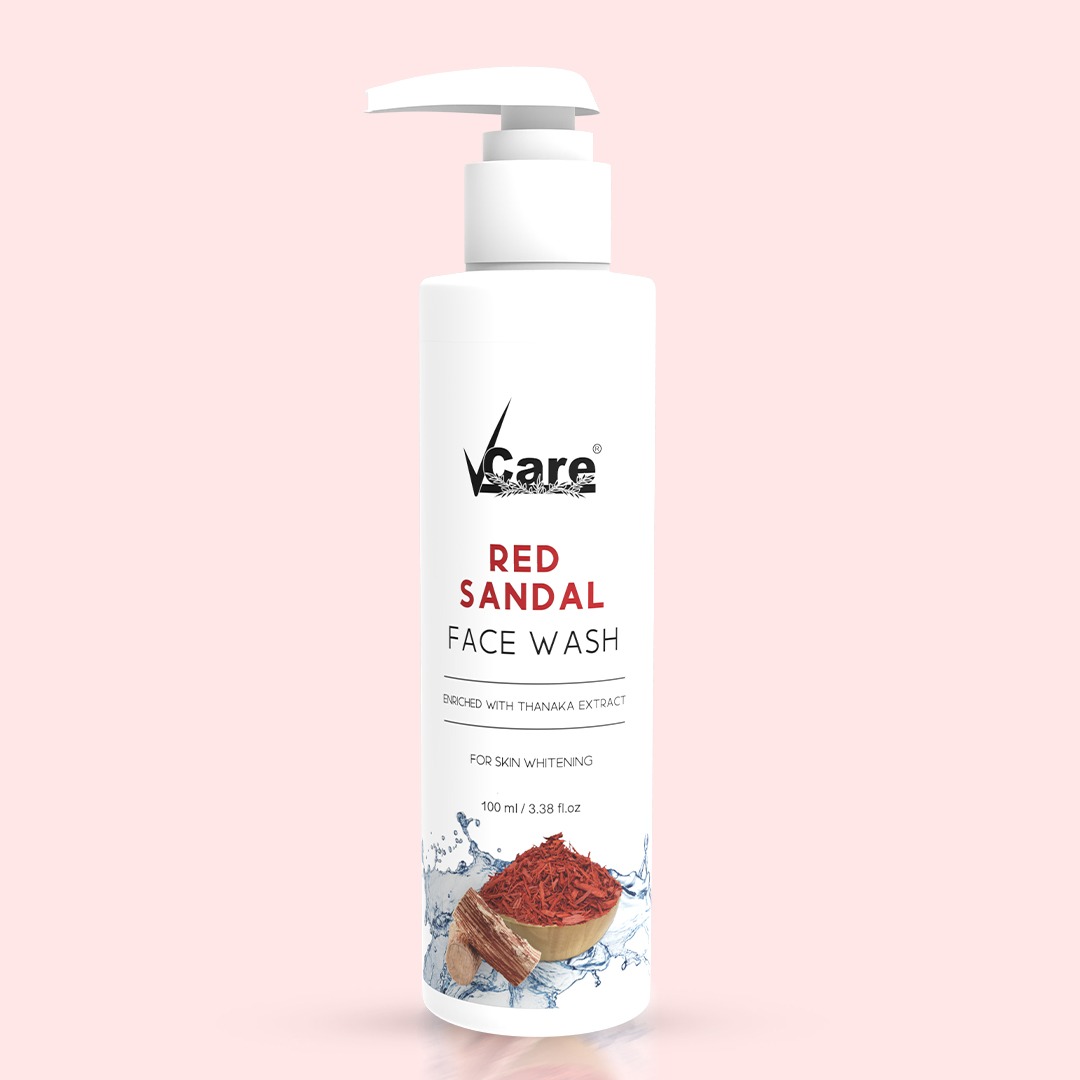
A herbal cleanser like VCare Red Sandal Facewash works effectively as a face wash for uneven skin tone and excess oil.
This face wash is enriched with powerful natural ingredients:
Red Sandalwood – Improves complexion and supports natural skin brightening
Licorice Extract – Targets pigmentation and helps reduce dark spots
Tree Turmeric – Purifies pores and helps prevent pimples
Thanaka – Calms and cools irritated skin
The formula gently removes dirt, grime, and excess oil while helping to reduce blemishes and pigmentation. Regular use can improve skin texture and promote smooth, radiant, and naturally glowing skin.
Using it twice daily can help keep your skin fresh and oil-free during summer.
Step 2: Moisturize Thoroughly
Many people with oily skin skip moisturizer, thinking it will make their skin greasier. In reality, hydration is essential for controlling oil production.
When the skin lacks moisture, it compensates by producing more oil. A lightweight, non-comedogenic moisturizer helps maintain skin balance.
Look for moisturizers that are:
Lightweight
Oil-free
Non-comedogenic
Hydrating without clogging pores
Proper hydration keeps the skin barrier healthy and prevents excessive sebum production.
Step 3: Use a Powerful Sunscreen
Sun protection is essential for everyone, especially for those with oily skin.
UV rays not only cause tanning but also trigger excess oil production, pigmentation, and premature aging. This is why dermatologists recommend using a broad-spectrum sunscreen for face every day.
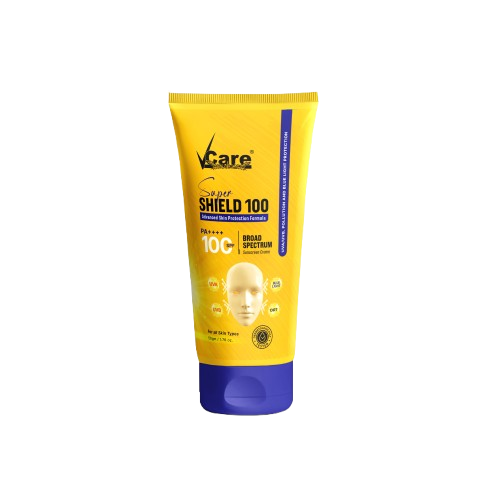
A high-protection formula like VCare Super Shield 100 Broad Spectrum Sunscreen Cream offers advanced sun protection with SPF 100 PA++++.
This sunscreen provides multiple benefits:
Protects against UVA and UVB rays
Shields skin from blue light and pollution
Helps prevent tanning and sunburn
Reduces redness and irritation
Keeps the skin hydrated and smooth
Its lightweight, non-greasy formula leaves no white cast, making it ideal as a sunscreen for oily skin. The advanced filters protect the skin from UV damage while maintaining comfort during daily wear.
Regular use of this SPF 100 sunscreen also helps prevent pigmentation and uneven skin tone, making it a suitable sunscreen for pigmentation and daily sun protection.
Additional Tips to Control Oily Skin in Summer
Along with the basic skincare routine, these habits can help keep oiliness under control:
Wash Your Face Twice Daily
Using a skin whitening face wash helps remove excess oil and impurities that accumulate during the day.
Avoid Heavy Makeup
Heavy products can clog pores and worsen oiliness.
Use Oil-Free Products
Choose skincare products designed specifically for oily or acne-prone skin.
Stay Hydrated
Drinking enough water helps maintain skin balance and prevents dehydration.
Blot Excess Oil
Oil blotting papers can help reduce shine without disturbing your makeup or sunscreen.
The Ideal Summer Skincare Routine
For best results, follow this simple daily routine:
Morning Routine
Cleanse with a face wash for uneven skin tone like VCare Red Sandal Facewash
Apply a lightweight moisturizer
Finish with a best sunscreen for face such as an SPF 100 sunscreen
Evening Routine
Wash your face to remove dirt and oil
Apply moisturizer to restore hydration
Consistency is the key to maintaining clear, healthy skin throughout summer.
FAQ
1. How to get rid of oily skin?
You cannot permanently remove oily skin, but you can control it by following a proper skincare routine that includes cleansing with a gentle face wash, moisturizing regularly, and using sunscreen daily.
2. What causes oily skin?
Oily skin is caused by overactive sebaceous glands that produce excess sebum. Factors like heat, humidity, hormones, and genetics can increase oil production.
3. How to use toner for oily skin?
Apply toner after cleansing your face. Use a cotton pad or your hands to gently apply it across the face. Toner helps tighten pores and remove remaining impurities.
4. What is oily skin?
Oily skin is a skin type where sebaceous glands produce excess sebum, causing shine, enlarged pores, and a higher chance of acne and breakouts.
5. How to use moisturizer for oily skin?
Use a lightweight, oil-free moisturizer after cleansing. Apply a small amount evenly across your face and neck to maintain hydration without clogging pores.
Conclusion
Oily skin during summer is a common concern, but with the right skincare routine, it can be managed effectively. Cleansing with a tan removal face wash, maintaining proper hydration, and protecting your skin with a SPF 100 sunscreen are essential steps for healthy skin.
Using products like VCare Red Sandal Facewash for deep cleansing and Super Shield 100 Broad Spectrum Sunscreen Cream for daily sun protection can help control oil, prevent pigmentation, and maintain a naturally glowing complexion throughout the summer.
Loading comments...
You Might Also Like

Oct 13, 2026 · 1 min read
Vcare Goat’s Milk Moisturizing Lotion – An Elixir for your Skin Health
Discover VCare Goat’s Milk Moisturizing Lotion with ceramides, hyaluronic acid and amino acids for 24-hour hydration, so...

Oct 13, 2026 · 1 min read
Why is Shampoo Hair Color a Convenient Choice for Quick Grey Coverage?
Cover grey hair quickly with VCare Super Eazzy Shampoo Hair Color in Natural Black. Enjoy 5-minute application, an ammon...

Sep 19, 2026 · 1 min read
What Makes Powder-Based Peel Off Masks Convenient for Salon Treatments?
Discover VCare Whitening Peel Off Mask Powder for salon facials. Helps exfoliate dead skin cells, refresh dull skin and ...